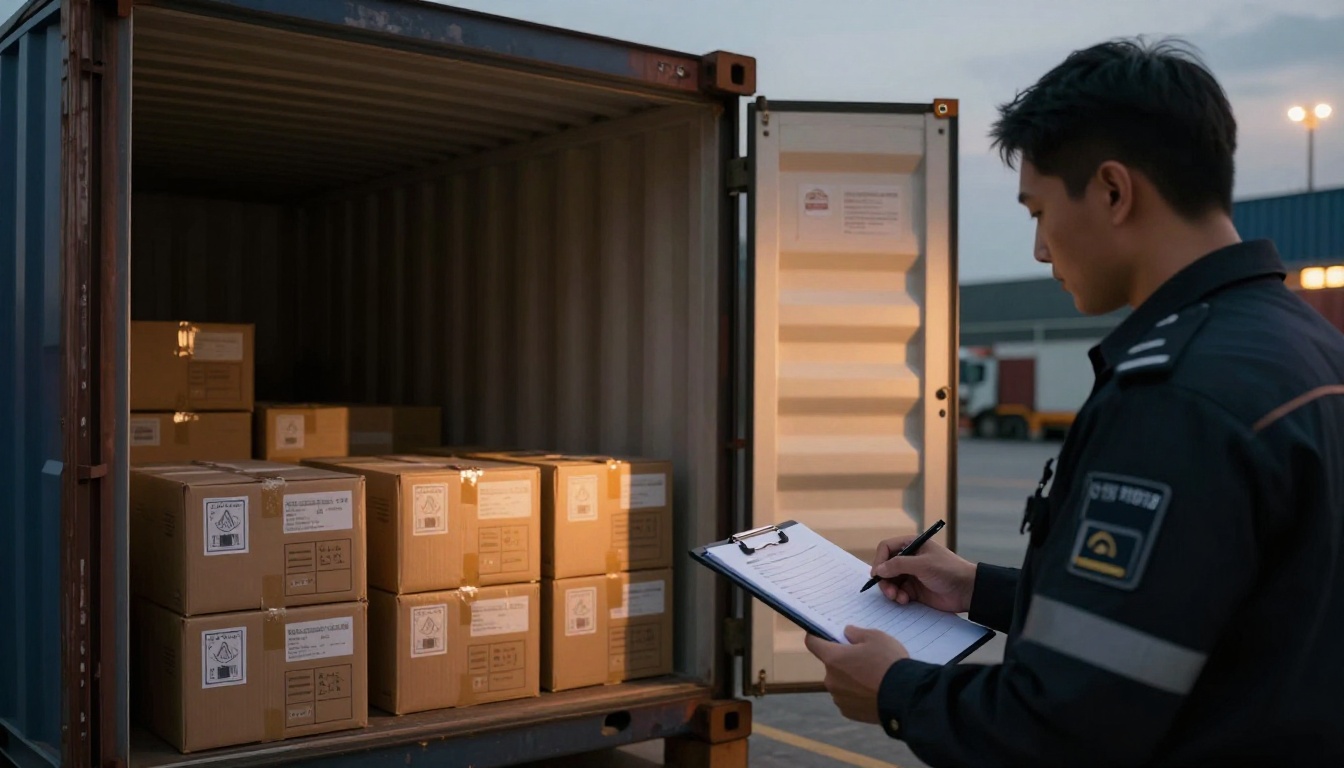
A shipment can look perfect in a warehouse, then get stuck at the border because one local rule was missed. That almost happened to a small online seller I talked to last year. The product was fine. The paperwork was not. A missing label detail triggered a hold, and the whole delivery slipped by weeks.
That’s what makes imported products compliance more than “paperwork.” Local rules decide whether your goods can enter, sell, and move on time. They also protect buyers, workers, and the market.
In practice, imported products meet local regulations through a chain of steps. You verify what the product is and how it’s made. You confirm how it must be tested, marked, and documented. Then you clear customs using the right codes and disclosures.
The hard part is that “local regulations” change by product type and by country. Food rules do not look like toy rules. Label rules do not work like tariff rules. So you need a clear process, plus a way to spot changes early.
Keep reading to learn how imported products meet local regulations, what to check first, and how to prevent the most common mistakes.
Breaking Down the Types of Local Regulations Importers Face
Local import regulations by country usually fall into a few big buckets. If you can sort the rules in your head, compliance becomes easier to manage. Most rules also share a goal: reduce risk for consumers and make trade fair.
A few examples make this real. In the United States, FDA-focused requirements apply to many foods and some health-related goods. In the EU, product rules for electronics often include safety and hazardous substance limits. Meanwhile, customs authorities still care about duties, paperwork, and classification.
Here are the main categories importers run into.
Safety and Health Standards That Keep Products in Check
Safety standards aim to stop hazards before products reach people. That usually means testing, documentation, and sometimes official certification. For some items, testing is a must. For others, proof from a supplier can be enough, as long as it matches your product.
Common hazard targets include toxins, sharp parts, electrical risk, and flammability. For electronics, you may see requirements tied to electrical safety and chemical limits. You might hear names like UL for electrical safety or RoHS for restricting certain hazardous substances. Those frameworks show up in many compliance plans, even when the exact rule name differs by country.
For toys, ASTM-type testing matters because toys often contact skin, mouths, or small children. If a toy fails a materials test, you can’t “fix it later” at the port. You need the test results before shipment.
For food, the logic is similar. But instead of shock and flame, the focus turns to contamination and process controls. FDA guidance explains what importers must ensure when bringing human food into the U.S., including steps tied to safety expectations at import time. Use it as your baseline for food imports: Importing human foods (FDA).
Pre-market testing matters because it gives you choices. If you test early, you can change materials, packaging, or suppliers. If you test late, you pay for rework, storage, and possible destruction.

Labeling Rules That Tell the Full Story
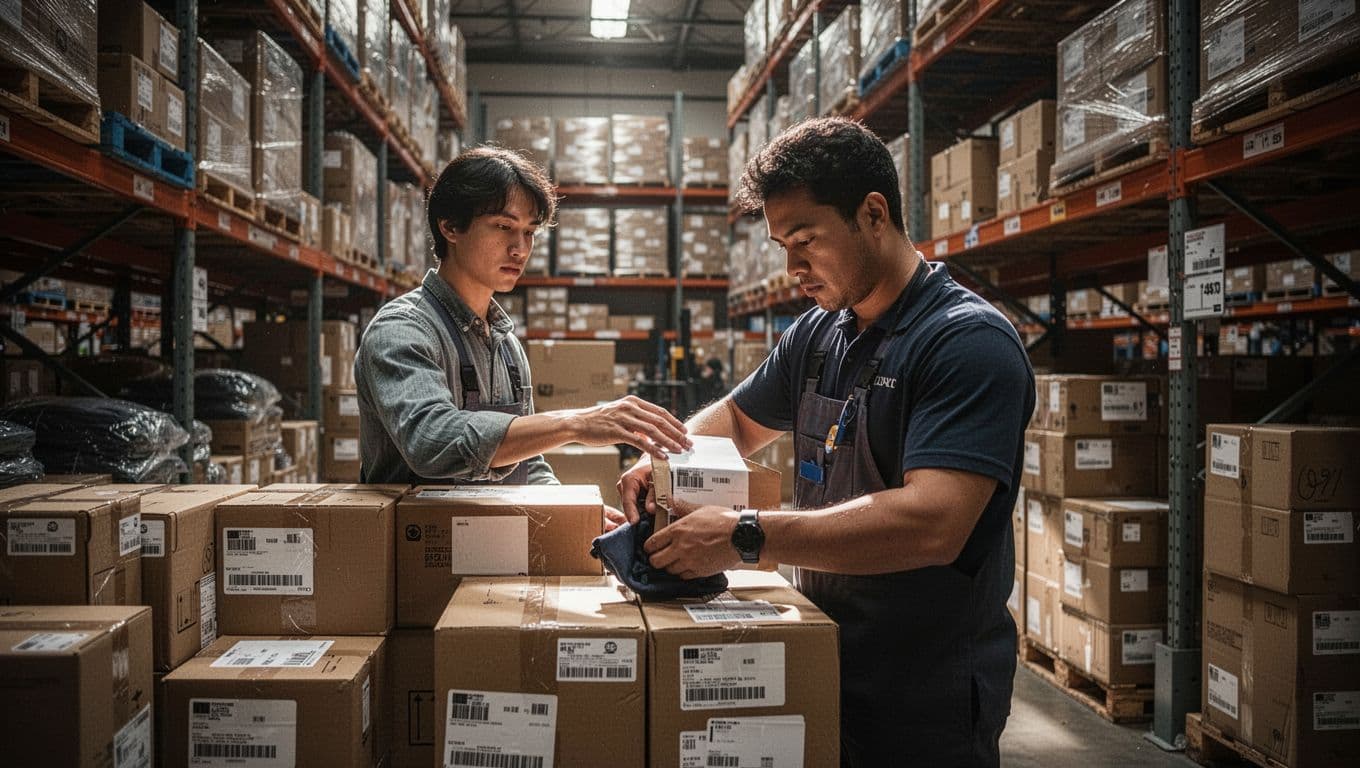
If safety answers “is this safe,” labeling answers “can people use it correctly.” Labeling rules often cover origin, warnings, ingredients, care instructions, and required language. They also cover what must appear on packaging, not just what the product itself contains.
In the U.S., labeling can connect to multiple laws, depending on the product. For packaged goods sold by weight or measure, the Fair Packaging and Labeling Act themes show up in federal guidance. NIST’s FAQs summarize what importers should consider for packaging and labeling requirements, including legal metrology topics. Start here when you’re unsure about packaged-quantity labeling: Packaging and Labeling Requirements FAQs (NIST).
Language is another common issue. Some products must include information in English for U.S. consumers. Other markets have their own language rules. If your supplier prints labels in the wrong language, you may need to re-label after shipping. That adds cost and time.
Country-of-origin marking is also a frequent trigger for customs questions. CBP explains how articles of foreign origin should be marked with the English name of the country of origin, and it notes exceptions based on law. Use this reference to avoid guesswork: Marking of country of origin on U.S. imports.
For apparel, the labeling story often includes care instructions, fabric content, and sometimes warning text. For electronics, it can include safety statements or regulatory marks. For any category, missing label elements can lead to holds, seizure, or refusal at entry.
Environmental Rules Pushing for Greener Imports
Environmental rules focus on materials, waste, and chemical content. They often look strict because they target long-term harm, like pollution or toxic exposure from manufacturing and disposal.
A common example is chemical restrictions. In the EU, REACH requires companies to manage and register chemicals, then share information when products contain certain substances. Even if you don’t sell in the EU, those rules influence global supplier behavior. Many suppliers now build compliance packages that fit multiple markets.
Plastic-related rules are also common. Some countries limit certain plastics, require labeling for recyclability, or restrict single-use items. Other rules focus on packaging weight, transport impacts, or reporting duties for certain product categories.
Then there’s “proof,” not just claims. Many environmental requirements ask for documentation you can show if regulators ask questions. That can include test reports for chemical content, declarations for packaging materials, or supplier statements backed by evidence.
The safest way to handle these rules is to treat them like product specs. You don’t “assume” compliance because a supplier says “it’s eco-friendly.” You confirm what standard they followed, which substances it covers, and which documents you’ll receive.
Step-by-Step Process to Make Your Imports Regulation-Ready
So how do you turn all those categories into something you can run every month? You build a repeatable process. Then you use it for every shipment.
Here’s a practical idea: think of compliance as a pipeline. Each step reduces risk before you move forward. If you skip a step, you may discover the problem later at customs, where fixes are expensive.

Research and Prep Before You Buy
Before you place the order, you need to know what rules apply to your exact product. Not “similar products.” Your product.
Start with classification and category questions:
- Is it food, cosmetics, medical, kids’ items, or electronics?
- Does it include chemicals, batteries, or regulated components?
- Is it packaged for retail sale, or imported as parts?
Next, check the official rules for your target market. For the U.S., CBP provides entry guidance and also points importers to the right procedures. The CBP publication Importing into the United States (PDF guide) is a useful starting point because it frames how commercial importers handle entry expectations.
If your product touches FDA-regulated categories, use FDA’s import pages early. For other agencies, look for the regulator tied to your product type, then confirm what documents they expect.
Finally, prep the supplier. Ask for test reports, labels, and declarations in the format you’ll need. If the supplier can’t provide it, treat that as a warning sign, not a delay excuse.
Hiring a consultant can also help at this stage. A good consultant prevents rework by mapping your product to the right rule paths.
Testing, Certifying, and Labeling Your Goods
Once you know the rules, you need evidence. That evidence usually comes from lab testing, certifications, and signed declarations.
For many products, the testing workflow looks like this:
- Confirm your final product design (including materials).
- Send samples to a lab.
- Get test results tied to the relevant standard.
- Keep certificates and reports in your compliance file.
Then you handle labeling. Apply the right markings, in the right place, in the right language. If you need regulatory labels or country-of-origin marks, do that before shipping whenever possible. It reduces delays.
For food safety programs, FDA expects importers to verify certain supplier controls through programs that match the rules. When you import food for humans and animals, FDA outlines an approach through Foreign Supplier Verification Programs. That guidance helps you structure how you verify suppliers instead of relying on informal statements. Use it if your product falls under those rules: Foreign Supplier Verification Programs guidance (FDA).
Timing matters. Lab testing can take weeks, and labeling changes can take even longer if you need new packaging artwork. Plan around typical cycles like 4 to 12 weeks, then add buffer.
Most importantly, keep your documents consistent. Your shipping documents, labels, and test results should match. If the country-of-origin label doesn’t match the invoice facts, customs will ask questions.
The fastest path to clearance is proof that matches the product you actually shipped.
Clearing Customs Without Delays
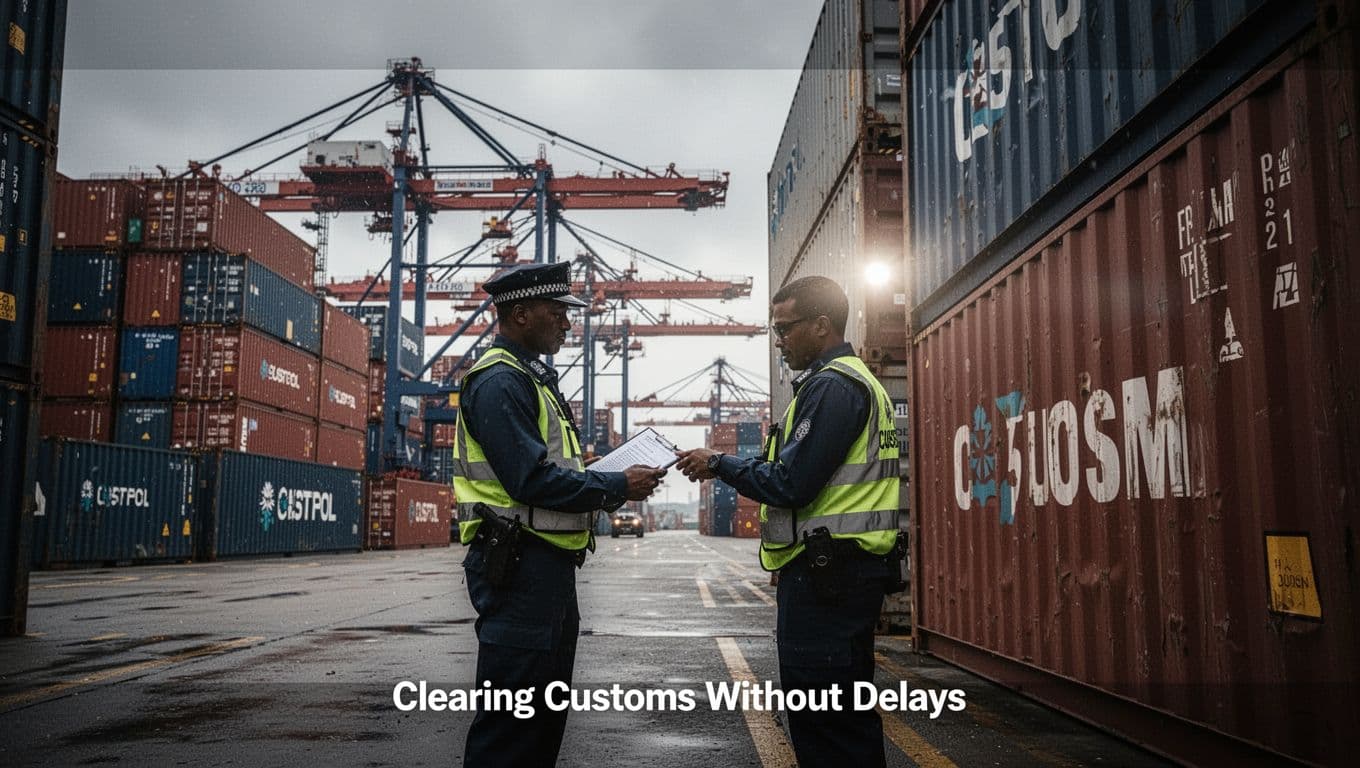
Customs clearance is where paperwork meets reality. Even if your product is compliant, a wrong code or missing entry detail can slow you down.
You’ll usually handle these parts:
- Import declaration
- HS or HTS code selection
- Duties and any trade program duties
- Potential inspection or additional paperwork
HS codes matter because they drive duty rates and reporting requirements. CBP help resources explain how the Harmonized Tariff Schedule supports duty-rate determination. If you’re unsure where to start, use CBP’s guidance: Harmonized Tariff Schedule duty rates (CBP).
Then work with a broker if you’re not doing this daily. A broker can help reduce mistakes, especially for shipments with multiple components or unclear product functions.
Finally, consider filing strategy. Where allowed, filing entry data early can reduce “last minute” issues. It also gives you time to correct errors before the shipment is physically held.
If you expect inspections, plan resources. Keep your compliance file ready, so you can respond quickly.
Tackling Common Roadblocks in Import Compliance
Even with good process, roadblocks happen. The issue is usually not one rule. It’s timing, cost pressure, and unclear responsibilities between you, your supplier, and your customs broker.
Also, rules change. That’s not theoretical. It shows up in enforcement focus, tariff treatment, and new agency priorities. In 2026, CBP has ramped up enforcement efforts, and the U.S. has also made tariff changes that affect landed cost and entry planning.
For example, CBP reported 2,218 trade penalties in fiscal year 2025, covering areas like undervaluation and misclassification. CBP also collected over $216 billion in duties, taxes, and fees that year. Those numbers show the stakes when paperwork and classification get it wrong.
Here are two roadblocks that hit importers the most.
Handling Rule Changes Across Different Countries
When you sell in multiple countries, rule changes feel like whiplash. One market shifts testing expectations. Another market adds a new labeling item. Meanwhile, enforcement focus can change even when the law stays the same.
In the U.S., the environment right now includes ongoing attention to forced-labor risk. In March 2026, U.S. officials started investigations into practices by 60 countries related to forced-labor controls for goods entering the U.S. They also began investigating 16 countries over potential market flooding from excess production. That kind of enforcement pressure increases the importance of traceability and supplier documentation.
On top of that, tariff policy can change your landed cost overnight. For March 2026, a major change was a 10% tax on most things imported into the U.S. (with exceptions for certain items). Even when your product stays compliant, your cost and paperwork strategy may need updates.
So how do you handle changes without panic? Build a simple monitoring habit:
- Track regulation updates by product category.
- Keep a “supplier document checklist” that you refresh each shipment.
- Reconfirm labels and origin details before each production run.
If you only watch news headlines, you’ll miss the rule details. Instead, watch the primary agencies and use alerts tied to your product category.
You can also compare agency expectations across markets. For medical devices, U.S. FDA processes and EU approaches may differ in structure, timelines, and required evidence. Treat them as separate compliance projects, not one global checklist.
Cutting Costs While Staying Fully Compliant
Cost pressure makes people take shortcuts. That’s how compliance failures start.
The expensive outcomes are familiar:
- Warehouse holds
- Additional testing at the last minute
- Re-labeling after arrival
- Penalties for misdeclaration or other entry mistakes
In the U.S., CBP enforcement includes actions tied to classification and valuation problems. In 2026, CBP has also described efforts to spot trade fraud using new tools and task-force staffing. That means “small errors” can grow into bigger issues.
So how do you cut cost without breaking rules? Focus on savings that don’t weaken compliance:
- Bulk testing: Test samples across a production batch, then reuse results if the product design doesn’t change.
- Certified suppliers: Choose suppliers who can provide consistent evidence, not only “one-time” documents.
- Early packaging planning: Design labels and artwork early so you don’t rush printing.
- One compliance file: Store everything in one place so you avoid rebuilding paperwork each shipment.
Also, negotiate timelines with your supplier. If they can’t deliver labeling artwork before production, you may need a new workflow.
Finally, avoid guessing. If a rule requires documentation, you need it. When you can’t get documents, adjust the plan before you ship.
If you don’t have proof, you don’t have compliance.
Long-Term Strategies for Smooth Import Operations
A one-time compliance sprint is helpful, but it doesn’t protect you next quarter. Long-term compliance means building systems that keep working as you grow.
Think in layers:
- Supplier qualification
- Product-specific compliance files
- Internal audits (even small ones)
- Change tracking tied to your products and markets
You also want tools and ownership. Some importers use compliance management software to store labels, certificates, and test results. Others set up internal processes where a person checks packaging and documents before orders ship.
Emerging tools can also help with traceability. Some firms explore faster proof flows for parts and materials, especially when suppliers change frequently. Still, the core stays the same: document what you shipped and keep it consistent.

Monitoring Updates and Adapting Quickly
To stay ahead, set up monitoring that matches your risk. High-risk categories need tighter checks, and low-risk items can follow a lighter rhythm.
For the U.S., many importers align their internal process with CBP trade compliance expectations. A well-known resource is the CBP CTPAT Trade Compliance Handbook, which explains how CTPAT’s program works and how companies structure trade compliance. It’s a good reference for building your own compliance program logic: CTPAT Trade Compliance Handbook (CBP).
In practical terms, you should:
- Review supplier records at set intervals.
- Run internal checks before shipments.
- Update your process when your supplier changes materials or packaging.
- Train staff so you don’t rely on one person’s memory.
Here’s a quick story example: one mid-size importer I worked with noticed a label update requirement early. They pivoted their packaging template before production. That one change prevented a costly re-labeling event and kept their sales calendar intact.
Compliance is work, but it’s predictable work. When you build the habit, you protect cash flow and customer trust.
Conclusion
Imported products meet local regulations through evidence, correct labeling, and careful customs entry. When you treat compliance like a repeatable workflow, you reduce holds and avoid expensive mistakes.
Use this guide to audit your next shipment. Start by verifying product rules, then confirm test and labeling proof, and finally double-check customs classification details.
The best time to fix compliance gaps is before goods ship. If you want fewer surprises, review your next import file now and bring in a customs broker or compliance specialist when the rules get complex.