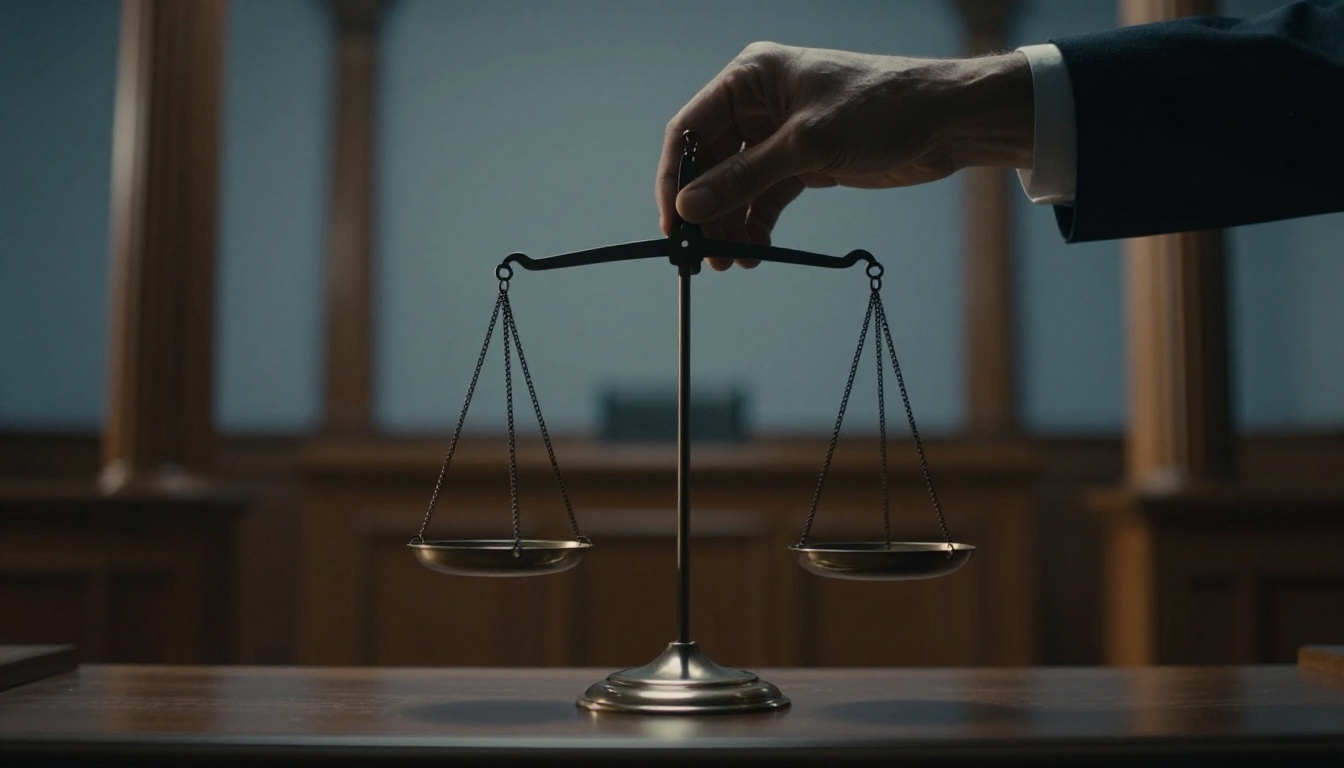
A broken promise can cost you money, health, and peace of mind. Regulations help stop that by setting clear rules for sellers and service providers. They also give consumers a way to report harm and seek fixes.
When a company must follow safety standards, disclose key terms, and avoid unfair tactics, you get more control. And when rules get enforced, the cost of cutting corners goes up for bad actors.
So how do regulations protect consumers in real life? Start with the basics, then look at the enforcement system behind the scenes.
Consumer protections start with clear rules
Regulations protect consumers because they reduce guesswork. Instead of relying on trust alone, you rely on standards that companies must meet. That matters most when products and services are complex.
Think of it like seatbelts. You might still drive carefully, but the system adds protection when something goes wrong. Regulations do the same for purchases, from food and medicines to bank loans and cell phone contracts.
Most consumer-focused rules fall into a few themes:
- Safety and quality standards for products and workplaces
- Disclosure rules that require clear information before you buy
- Fair dealing requirements that limit deceptive or abusive behavior
- Oversight and enforcement that punish violations and deter repeat problems
Some people assume regulations only help after you’ve been harmed. That’s not true. Many rules prevent harm in advance, because businesses must design products and business practices around the law.
Still, no system is perfect. Regulations can miss edge cases, and enforcement can lag. That’s why consumer protections also include reporting channels and investigations. When people speak up, the rules improve and repeat problems get harder to ignore.
Regulations protect you in four practical ways
The “consumer protection” label can sound abstract. In practice, regulations show up as specific limits on what companies can do, and specific duties they must follow. Here are four ways that protection usually works.
1) Safety standards reduce the risk of harm
Some products have built-in risks. For food, drugs, medical devices, and cars, governments set standards for testing, manufacturing, and performance. If a company wants to sell, it must prove the product meets required safety rules.
When risks are found, rules often require companies to notify regulators and the public. Recalls and safety alerts help keep bad products out of your hands, or remove them once they’re identified.
2) Disclosure rules stop “hidden” terms and misleading claims
You can’t protect yourself if you don’t know what you’re agreeing to. That’s why many regulations focus on disclosure.
Examples include requirements that contracts explain costs clearly, ads avoid false promises, and key terms show up before purchase. This doesn’t eliminate mistakes, but it makes it harder for companies to rely on confusion.
3) Fair practices reduce abusive behavior in sales and services
Even when a product works, the sales process can still be unfair. Regulations can restrict practices like deceptive marketing, unfair billing, and harassment in collections.
So if a company tries to pressure you with misleading claims or keeps changing terms after you sign, regulators have rules to point to. That creates consequences.
4) Data and privacy rules help limit misuse of personal info
Modern consumer life runs on data. Regulations can require safeguards for sensitive information, limit certain kinds of sharing, and push companies to follow security practices.
In other words, the protections aren’t only about what you buy. They’re also about what companies collect from you, and what they can do with it.
The agencies that enforce your rights
Rules only matter if someone enforces them. In the US, multiple agencies and regulators handle consumer protection, depending on the industry.
For example, the FTC focuses on scams, deceptive advertising, and unfair business practices. If you want to report an issue or learn what’s typical for your situation, the FTC’s consumer resources are a strong place to start, including guidance at the FTC’s consumer help pages: FTC Consumer Advice.
Financial services often fall under the CFPB, which oversees consumer financial products like credit cards, mortgages, and certain payment practices. That matters because consumer harm in finance can move fast and scale quickly.
Meanwhile, agencies like the FDA focus on products tied to health, such as foods, drugs, and medical devices. Vehicle safety and related standards often fall under transportation regulators.
Here’s the key point: you don’t need to know which agency covers everything. But you should know that enforcement exists. When regulators act, they can investigate, require changes, and pursue penalties. That pressure encourages compliance before problems grow.
Consumer protection works best when rules meet enforcement.
What to do when something feels off
Sometimes you’ll notice a problem early. A refund delay, confusing fees, a safety concern, or a “too good” claim can all be red flags. Regulations don’t help you by magic. You have to use the system.
Start by saving evidence. Keep screenshots, emails, receipts, and contract copies. Then document what happened and when. This makes complaints more useful.
If you suspect a product issue, check whether there’s a known safety action. For many food and drug items, you can look up recalls and related notices through the FDA’s recall database: FDA recalls and safety alerts.
Then consider your next step. Many consumer protection paths boil down to three actions:
- Report the issue to the right agency or complaint portal
- Contact the company and ask for a clear, written resolution
- Escalate if needed, especially when safety or identity risk is involved
Also, pay attention to patterns. If multiple people report the same problem, regulators tend to take notice faster. When consumers share specific details, enforcement becomes more targeted.
One more thing: regulations don’t stop every loss. However, they raise the odds you’ll get answers, refunds, safety fixes, or at least accountability. That’s the real value. The rules make the market more honest, and they give you leverage when honesty breaks.
Conclusion: Regulations turn “hope” into rules
The opening hook was simple: a broken promise can hurt you. Consumer regulations help because they turn wishful thinking into enforceable standards. They set safety requirements, require clear information, limit unfair practices, and add consequences when companies cross the line.
So the next time you buy something new, ask a quiet question: “What happens if this goes wrong?” Regulations help ensure the answer isn’t “nothing.”
If something feels off, don’t wait in silence. Save your evidence, use complaint channels, and check official safety alerts when health or safety matters. That’s how consumer protections turn from policy into protection.