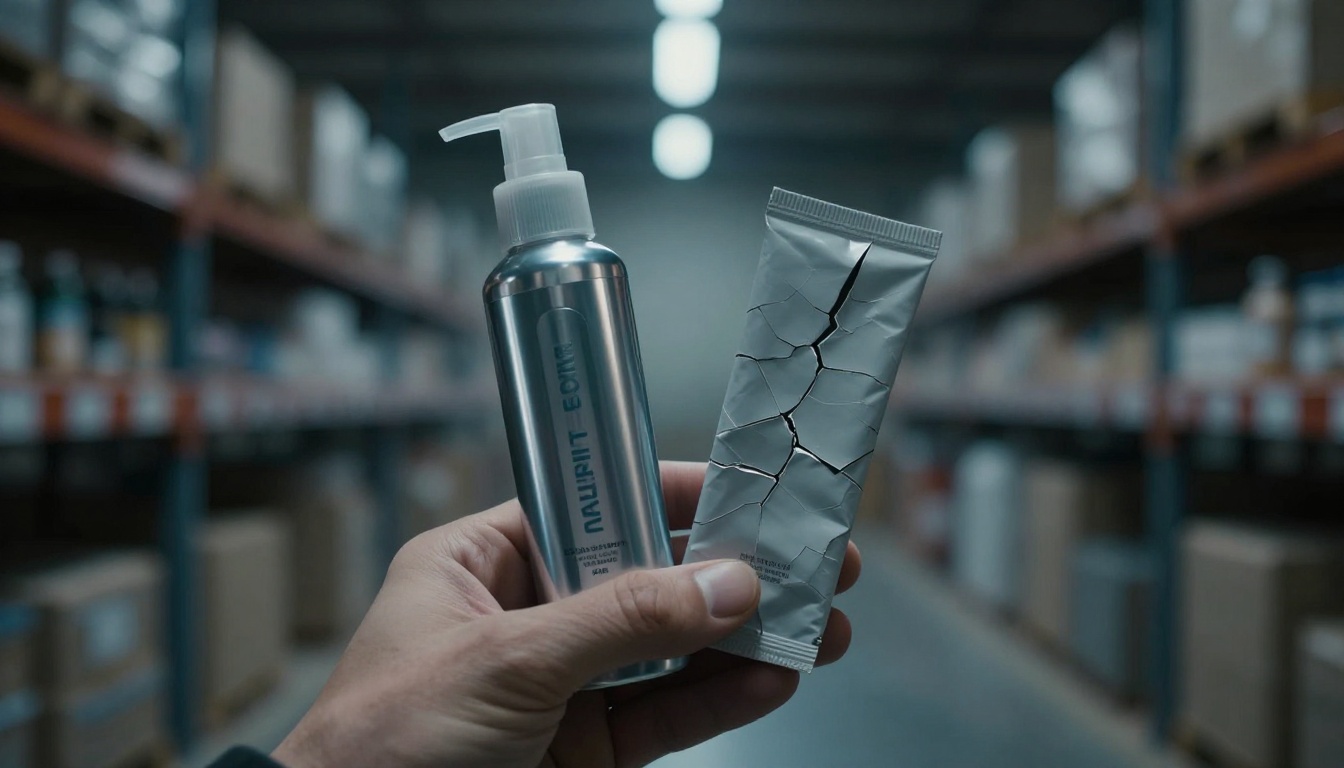
Counterfeit products don’t just look suspicious. They can put your health at risk, drain your wallet, and even get you blamed when something goes wrong. The scary part is how often counterfeits slip into normal shopping, like online “too-good-to-be-true” listings or bargain buys with weak packaging.
Because counterfeit goods bypass real testing, you lose the usual safety checks. In some cases, you also lose the legal protection you expect from legitimate brands.
Let’s break down what makes counterfeit products dangerous, where the risks show up most, and how you can spot trouble before it finds you.
Counterfeit products can fail where you need them most
Most people think counterfeits are mainly a quality problem. But safety is often the bigger issue.
With real products, manufacturers follow standards for materials, performance, and durability. Counterfeit makers usually cut corners. Sometimes they use cheaper parts. Sometimes they skip key steps entirely. The result can be unpredictable performance, even if the item looks right at first glance.
That unpredictability matters for everyday items like:
- Consumer electronics, including chargers, batteries, and cables
- Cosmetics and skincare
- Children’s products with materials meant to meet safety rules
- Medical supplies and prescription items
For example, a counterfeit phone charger may overheat. A fake replacement filter may not meet filtration needs. And a counterfeit supplement may contain the wrong ingredients or doses.
The FDA explains that counterfeit medicines can be harmful because they may contain the wrong ingredients, no active ingredient, or unsafe levels of active ingredient. You might think you’re treating a condition, but you could be delaying real care or exposing yourself to side effects you didn’t expect. You can read more about counterfeit risks on the FDA’s guidance for counterfeit medicines.
Health risks go beyond “lower quality”
Counterfeit products can cause harm in a few different ways. First, there’s the direct risk, like harmful chemicals, contaminants, or poor manufacturing. Next, there’s the indirect risk, like when the fake item fails and your health suffers.
This is especially serious with anything tied to health care, including:
- Prescription drugs and refills
- Over-the-counter medicines
- Medical devices
- Treatments used for chronic conditions
When the product is fake, you can’t trust what’s inside. You also can’t count on consistent strength. That means even if a counterfeit product looks convincing, it may not work the way you need it to.
In addition, counterfeits can carry unknown contamination. Fake cosmetics, for example, can irritate skin or trigger allergic reactions. Fake personal care products can also include unsafe ingredients or poor preservatives.
The bottom line is simple: your body can’t “guess” your way out of bad ingredients. If the product is counterfeit, you’re the one taking the risk.
If you’re buying medicine or health-related items, treat “official” claims as a starting point, not proof.
Safety hazards can hit you fast, not gradually
Some counterfeits fail in ways you notice immediately. Others cause damage over time. Either way, the safety concerns add up.
Counterfeit goods can include parts that don’t meet safety rules for heat resistance, electrical insulation, flammability, or mechanical strength. When those parts fail, you may face burns, shock hazards, or fire risks.
Kids’ items can be a special concern because children are more sensitive to harmful materials. A fake item might use unsafe plastics, missing coatings, or loose parts. If you buy it for convenience, you could end up with something that’s not built to handle normal wear and tear.
And when counterfeits involve wearables or home health devices, you can lose more than money. You can lose trust in data. If a device shows wrong readings, you might react in the wrong direction.
You may pay more later, even if the price is low
Counterfeit products often cost less upfront. However, the “cheap” price can turn into extra expenses fast.
Here’s what commonly happens after a counterfeit purchase:
- It breaks sooner, so you buy again.
- It doesn’t work right, so you spend time troubleshooting.
- Your warranty claim gets denied because the seller and product details don’t match.
- You may miss deadlines for returns because listings disappear.
Then there’s the fraud angle. Counterfeits frequently come with misleading seller behavior. That can include fake brand photos, fake “authenticity” guarantees, and sketchy refund policies.
The FTC covers how counterfeit goods can be tied to scams and consumer harm. If you want a clear overview of the risks and reporting options, see the FTC page on counterfeit goods and enforcement.
Also remember this: if the counterfeit item fails and causes damage, liability can get messy. Even if you didn’t know it was fake, you may still deal with insurance claims, repair costs, or disputes with the seller.
Counterfeits can drag down the entire supply chain
Counterfeit products do more than hurt individual buyers. They also weaken the systems that support real manufacturing and distribution.
When counterfeit goods enter the market, legitimate brands face losses. That can reduce funding for research, safety testing, and product improvements. It can also raise prices over time, since honest businesses still pay costs for compliance.
At the same time, many counterfeiting operations connect to organized crime and other illegal activity. That means the harm is not limited to one bad product. It’s part of a larger pipeline that moves money through illegal channels.
Customs and border agencies also track counterfeit imports. For a broader picture of how the issue shows up at the border, you can check the CBP page on counterfeit and piracy enforcement.
How to spot counterfeit products before you buy
You can’t catch every fake. Still, you can reduce your risk a lot by focusing on buyer behavior and product signals.
Start with where you buy. Authorized sellers matter because they have incentives to follow rules and fix problems. If a listing feels off, don’t “hope it’s fine.”
Next, watch for warning signs:
- Price that’s wildly below normal
- Seller with low trust, no history, or changing details
- Packaging that looks blurred, uneven, or oddly incomplete
- Missing model numbers, serial numbers, or match issues
- Claims that sound generic, like “100 percent original guaranteed” with no proof
Here’s a quick guide to what to do when you spot red flags.
| Red flag | What it usually means | Safer next step |
|---|---|---|
| Too-cheap “brand new” | Possible fake or stolen goods | Buy from authorized retailers |
| Missing details (model, part number) | Seller avoids traceable info | Confirm specs on the brand site |
| Weird return policy | Seller limits refunds | Avoid the purchase if terms are unclear |
| “Authenticity guarantee” with no method | Empty marketing | Ask for proof, not promises |
Also pay attention to how the seller handles contact. A legitimate store answers questions clearly. A sketchy seller dodges specifics.
Finally, use safer payment habits when you can. Payment methods with stronger buyer protections help if you need to dispute a charge.
If you suspect you bought a counterfeit, act fast
If something feels wrong after delivery, don’t wait. Counterfeit risks can worsen if you use the product.
First, stop using it, especially if it involves health, safety gear, or anything electrical. Keep proof, like screenshots, order numbers, product photos, and packaging.
Next, contact the seller or retailer right away. Be specific about what you found, and share your proof.
Then, report it. Reporting helps authorities track patterns and protects other shoppers. In health-related cases, use the FDA resources for counterfeit medicines. For broader consumer fraud concerns, the FTC is a good starting point.
If the item could involve consumer product safety, consider reporting to the right agency based on your situation. That way, the risk doesn’t stay locked inside your personal problem.
Conclusion: The danger is real, but you can reduce your risk
Counterfeit products can be dangerous because they skip safety checks, replace real materials with unknown ones, and break the promises you rely on. The harm can show up as health problems, safety hazards, and money loss. It can also pull you into fraud disputes you don’t want.
Your best defense is simple: buy from trusted sellers, watch for clear red flags, and treat “too cheap” claims with extra doubt. When something doesn’t add up, your next step should be clear, not hopeful.
So when you see a deal that feels unreal, ask yourself one question: What proof would you need to trust it?