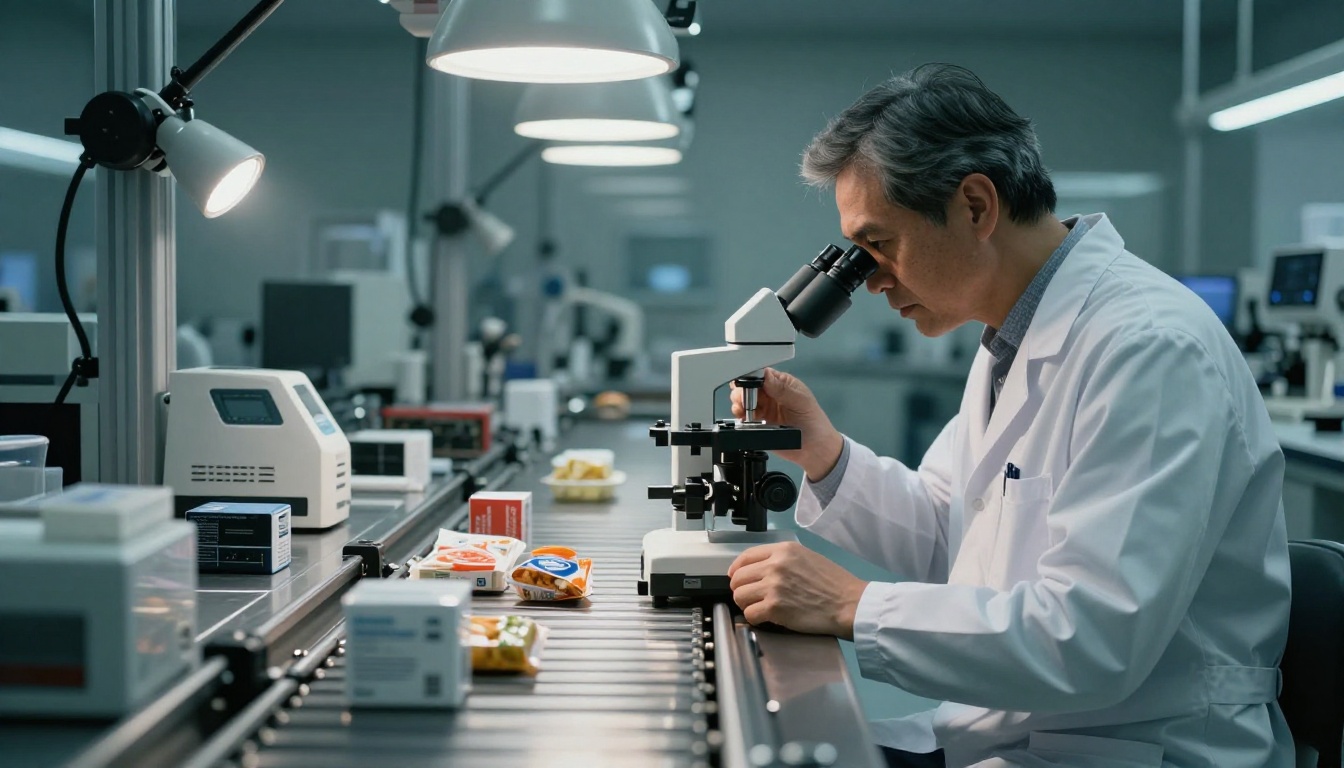
Ever bought something that looked perfect in the store, only to fail a few days later? That usually means the product skipped steps most buyers never see. Before anything reaches your hands, companies run a mix of design checks, lab testing, line inspections, and compliance reviews. The goal is simple: catch failures early, not after returns pile up.
This process isn’t one test or one machine. It’s layers of checks across the product’s life, from raw materials to packaging. And those steps vary by product type, because a toy, food item, and medical device each face different risks.
Next, you’ll see the main stages that products go through before they reach consumers.
Design and specs: where quality starts (and problems show up)
Quality checks begin long before the first unit is built. First, companies lock down what “good” means. They write technical specs, performance limits, and safety rules. Then they map out likely failure points.
Think of it like building a car with the end trip in mind. If the brakes are the weak spot, the design phase targets brake stress, heat, and wear. In the same way, product teams identify weak parts early, such as seams, coatings, batteries, magnets, or small components.
Often, the design stage includes:
- Prototype reviews: Teams compare real prototypes against the written specs.
- Risk analysis: Engineers look for hazards tied to use, storage, and misuse.
- Materials testing plans: They decide what labs will verify later.
- Test method setup: They plan how tests will measure performance and safety.
If a product needs approvals, the company also checks the rules during design. For example, the FDA explains how medical products and many regulated items follow defined pathways before they enter the market. You can review FDA guidance on recalls and safety alerts to see how much attention regulators pay to safety outcomes.
Design checks also reduce “unknown unknowns.” When specs are clear, factories can build consistent units. And when instructions are clear, workers assemble correctly. That matters because a later test can only catch so much. If the product was built wrong from the start, test results will reflect it.
Lab testing and performance checks: proving the product works
After design, the product moves into testing. This is the stage most people imagine first, but it’s usually more controlled than most assume. Companies test prototypes and pre-production units, then they repeat selected tests during production.
Lab testing often covers three buckets: function, durability, and safety.
Function checks answer questions like these:
- Does it heat, cool, power, or dispense as designed?
- Does it meet the expected speed, strength, or accuracy?
Durability checks answer:
- How does it hold up after repeated use?
- What happens after heat, cold, humidity, or vibration?
Safety checks focus on hazards:
- Can parts break into sharp edges?
- Will chemicals leach from coatings?
- Does electrical output stay within limits?
For regulated products, standards and required test types can be strict. Even outside heavy regulation, many firms follow well-known test practices. They may test packaging drop strength, chemical resistance, or fire behavior. They also test for defects you cannot see at a glance, such as internal cracks or weak welds.
A useful way to picture this stage is a “stress calendar.” Instead of testing once, the lab runs cycles. It may run the product for hundreds of hours, or it may stress it in shorter, intense bursts. Then it records results so engineers can decide what to fix.
Meanwhile, quality teams keep an eye on the parts suppliers. If a component fails early in testing, the product fails later too. So the checks often include supplier qualification and verified material inputs.
Factory inspections: the checks between “made” and “ready”
Once production starts, quality control turns into routine. However, it’s not the same for every factory. Some companies inspect every unit. Others sample from each batch. Many use both approaches, depending on risk.
Here’s how inspections typically work in practice:
| Stage in production | What’s checked | Common goal |
|---|---|---|
| Incoming materials | Materials, thickness, purity, dimensions | Stop bad inputs early |
| In-process checks | Assembly steps, torque, fit, cleanliness | Catch errors before they spread |
| Finished goods tests | Function tests, safety checks, defect checks | Verify each unit meets specs |
| Labeling and packaging | Lot codes, warnings, tamper seals | Prevent mix-ups and noncompliance |
The bottom line: factories use inspections to catch defects at the cheapest time to fix them. If a defect appears after packaging, it becomes costly fast. In-process checks reduce that risk.
Another key part is calibration. Measuring tools drift over time. So labs and inspection stations periodically recalibrate instruments, like scales, force gauges, and sensors. When tools stay accurate, test results stay believable.
Some factories also run audits across shifts. They check training records, work instructions, and how consistently the team follows the same process. That’s where quality systems matter. Many firms align with recognized management systems like ISO 9001 quality management, which focuses on consistent processes and continual improvement.
Compliance, labeling, and shipping readiness
Even a well-tested product can trip over paperwork. That’s why the next set of checks often focuses on rules, labeling, and traceability.
Companies verify:
- Correct labeling: Warnings, usage instructions, safety marks, and required disclosures.
- Lot and batch coding: So they can trace a problem to a specific production run.
- Packaging integrity: Seals, inserts, and protective materials.
- Regulatory match: The product version sold in your area matches what was tested.
Traceability is a big deal. If something goes wrong, the company needs to find affected units quickly. That reduces harm and reduces the size of recalls.
It also helps regulators act fast when needed. Consumer product safety agencies publish recall information so buyers can check whether they’re affected. For example, the U.S. Consumer Product Safety Commission lists CPSC recalls that explain what failed and how to respond. Food and drug recalls follow a similar pattern, with details published by the FDA recall process.
Finally, shipping readiness checks prevent damage in transit. Products can fail just from rough handling. So companies review packaging performance, pallet stability, and loading procedures. If a product must stay dry, they add barriers. If it must avoid vibration, they adjust inserts and cushioning.
What happens after release: returns, trend checks, and recalls
Pre-market testing helps a lot, but real life adds new data. Consumers use products in different ways than testers expect. Temperature, handling, storage time, and maintenance habits vary. Because of that, companies keep monitoring once products hit shelves.
Post-release checks can include:
- Return analysis: Tracking what fails and how often.
- Warranty claims review: Finding patterns tied to certain batches.
- Customer service trends: Spotting repeated complaints early.
- Field data testing: Sending returned units back for teardown.
When trends point to a safety issue or a serious defect, companies act. Sometimes they issue a repair, refund, or exchange. In the worst cases, they work with regulators on a recall.
This is why many recalls look similar across categories. They describe:
- what the product is,
- what went wrong,
- who might be affected,
- what customers should do next.
If you want a real-world view of how that plays out, recall pages show the details and timelines. The CPSC recall list is one place to see how many categories are covered. The FDA safety alerts show how health-related issues are communicated.
Conclusion: it’s layers, not luck
Products don’t reach you by accident. They move through repeated checks, starting with design specs, then lab testing, then factory inspections, and finally packaging and compliance review. After release, companies keep watching for failure patterns, because testing can’t predict every real-world scenario.
The strongest takeaway is this: good quality control is a system, not a single test. Next time you read a safety warning or recall notice, you’ll know there were steps behind it, plus more steps after it.
Would you rather see how this process looks for a specific category, like toys, electronics, or food?